Does OpenAI Own All ChatGPT Trademarks and Datasets?
Since its launch, ChatGPT has rapidly emerged as one of the most recognized AI-driven conversational agents globally. When discussing the ownership of ChatGPT’s intellectual property (IP), including trademarks and datasets, the narrative can be surprisingly complex. Although ChatGPT is commonly understood to be an OpenAI product, the layers of legal, governance, and economic structures behind it deserve a closer look.
In this article, we’ll explore:
- How ChatGPT fits within the OpenAI ecosystem
- The multiple facets of “ownership” and what they mean for trademarks and datasets
- The roles of OpenAI Group PBC and OpenAI Foundation
- Relevant information from OpenAI’s Terms of Use for European and rest-of-world users
- Why clear, defensible statements about IP ownership remain difficult due to limited public info on IP allocation and internal affiliations
ChatGPT: An OpenAI Product, Not a Separate Company
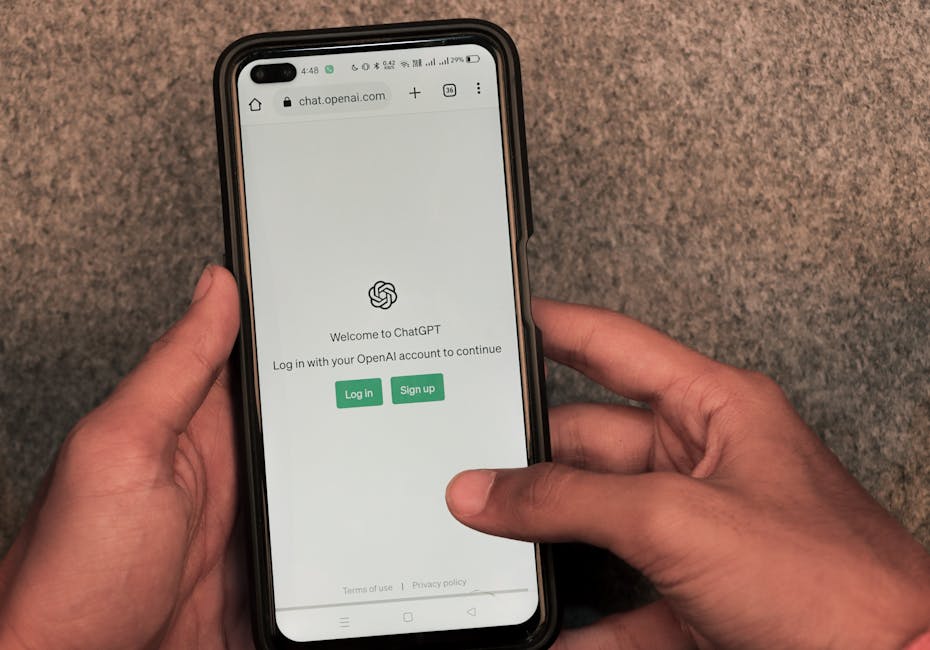
First, it’s essential to clarify that ChatGPT is a product created and operated by OpenAI. It is not a standalone company or a separately incorporated legal entity. Instead, ChatGPT sits squarely under the umbrella of OpenAI’s corporate and operational infrastructure.
This point is often overlooked, but it has meaningful implications for ownership and control. While external users and media may treat ChatGPT like an independent brand or company, it is wholly a part of the OpenAI organization.
The Four Meanings of Ownership: Deconstructing What “Ownership” Entails
The question “Who owns ChatGPT trademarks and datasets?” is deceptively simple. Ownership can be categorized into four distinct dimensions, each with varying degrees of transparency and legal weight:
- Operator Control — The entity that develops, maintains, and delivers the product/software in practice.
- Legal Structure Ownership — The formal legal entity or entities that hold title to intellectual property rights, trademarks, patents, or datasets according to filings and agreements.
- Economic Stake Ownership — The distribution of economic benefits, such as profits or revenue, tied to the assets.
- Governance Control — The power to direct the strategic and operational decisions about IP assets, including who can use, license, or enforce them.
When analyzing ChatGPT's ownership, these categories illuminate different facets often conflated in popular discussion.
Operator Control: OpenAI Develops and Runs ChatGPT
OpenAI operates the ChatGPT service directly. All development, deployment, updates, and customer interactions are managed by OpenAI’s teams. This operational control anchors ChatGPT firmly within OpenAI’s domain.
Legal Structure Ownership: Who Holds the IP Docs?
OpenAI’s legal setup includes at least three key entities relevant here:
- OpenAI, Inc. — The original corporate entity responsible for research and development.
- OpenAI Group PBC — A public benefit corporation designed to balance profit motives with societal benefits. This entity holds significant corporate ownership over product initiatives.
- OpenAI Foundation — A nonprofit with special governance rights that can influence strategic direction without directly holding IP.
The exact allocation of IP ownership — especially related to datasets and trademarks — across these affiliated entities is not fully public. Regulatory filings and trademark registries list “OpenAI” broadly, but specific internal agreements governing dataset ownership remain undisclosed.
Economic Stake Ownership: Volatile and Often Misreported
The economic gains from ChatGPT stem from subscriptions, enterprise agreements, and API usage fees. These revenues flow through OpenAI, Inc. and OpenAI Group who runs openai governance PBC to investors, employees, and stakeholders.
Because OpenAI has unique hybrid structures combining nonprofit and for-profit motives, economic ownership fluctuates. For example, investors in OpenAI Group PBC can expect capped returns, while the Foundation’s nonprofit status influences fund allocation.
Media reports sometimes misinterpret these economic stakes, mistakenly suggesting that OpenAI Foundation “owns” all profits or datasets. In reality, economic ownership is nuanced and dynamic.
Governance Control: The Role of OpenAI Foundation
One of the most critical but less publicized elements is the governance role played by the OpenAI Foundation. The Foundation wields “special rights” over the boards of OpenAI Group PBC and OpenAI, Inc., allowing Look at this website it to influence overarching policies and strategic decisions, including those pertaining to IP management.
This governance structure acts as a balance against purely commercial interests, embedding ethical and societal considerations within decision-making about ChatGPT and other AI products.
OpenAI Terms of Use: Data and IP Disclosures Across Regions
When discussing datasets and user-generated content, the OpenAI Terms of Use documents provide critical insights. Importantly, these terms differ for European users and those in the rest of the world, reflecting regional regulatory requirements:
Region Relevant Terms Document Key IP & Data Clauses Europe OpenAI Terms of Use (European terms)
- Explicit data processing terms following GDPR
- User-generated content licenses, granting OpenAI rights to use inputs/results
- Clarifications on dataset rights and user contributions
- Standard IP licenses between user and OpenAI
- Permissions for OpenAI to use inputs for model training and improvements
- Limitations and disclaimers related to the datasets underlying the AI models
These terms illustrate that, while OpenAI collects data from users that help refine models like ChatGPT, the legal ownership of the underlying training datasets remains distinct and typically proprietary to OpenAI entities.
Limited Public Information on IP Allocation and Affiliates
The specifics of how OpenAI allocates IP rights—especially datasets used to train ChatGPT—among its affiliates and entities is not fully public. This scarcity of transparent disclosure complicates making irrefutable ownership claims.
Key challenges include:
- Private contracts between OpenAI, OpenAI Group PBC, and OpenAI Foundation
- Non-disclosure agreements around proprietary dataset sources
- Evolving corporate structures with hybrid public-benefit and commercial components
These complexities demand caution when making “defensible statements” about who owns specific aspects of ChatGPT’s IP or datasets. Analysts and commentators must rely on a combination of official filings, terms of use, and observable operational control to piece together ownership profiles.
Summary: What We Can Defensibly State About OpenAI and ChatGPT Ownership
Ownership Aspect Defensible Statement Operator Control OpenAI directly develops, operates, and supports ChatGPT as its product. Legal Ownership ChatGPT trademarks and datasets are formally owned by OpenAI-affiliated entities; exact internal allocations are not fully public. Economic Ownership Profits and economic benefits flow through OpenAI’s hybrid structure, subject to capped returns and governance constraints. Governance Control OpenAI Foundation exercises special governance rights influencing IP strategy and corporate policies.Conclusion
While the simplistic narrative might suggest “OpenAI owns all ChatGPT trademarks and datasets,” the reality is layered and multidimensional. ChatGPT is unequivocally an OpenAI product—not a separate company—with operational, legal, economic, and governance aspects managed by a network of affiliated entities.
Anyone seeking to understand or communicate ownership should recognize the nuances tied to ip allocation not fully public, differing affiliates and entities, and the challenge of making defensible statements without direct access to internal agreements. Ultimately, OpenAI maintains robust control and stewardship over ChatGPT, aided by its innovative governance model involving the OpenAI Foundation and Group PBC.

This insight matters for users, investors, regulators, and partners as the AI landscape continues evolving rapidly.